
Not too long ago, making your home more environmentally friendly might have seemed like an unusual idea to some people. But times have changed. As the cost of gas, electricity, and water continues to rise, more homeowners are recognizing the real benefits of making their homes more energy-efficient and environmentally conscious. Small changes can help reduce utility bills while also being better for the environment.
Are you interested in making your home more energy-efficient while also saving money? There are many options to consider, ranging from simple and inexpensive improvements to larger upgrades. Take a look at the ideas below to see if there are energy-saving opportunities—big or small—that could make a difference in your home.
1. Get an Energy Audit
Many utility companies offer home energy audits, and in some cases they’re even free. During an energy audit, a trained professional will evaluate different parts of your home, including appliances, lighting, windows, doors, and insulation.
After the inspection, they’ll usually provide recommendations on improvements that could help reduce energy use and lower your monthly utility bills. If you want a clear picture of where your home may be losing energy and what upgrades could make the biggest difference, an energy audit is a great place to start.
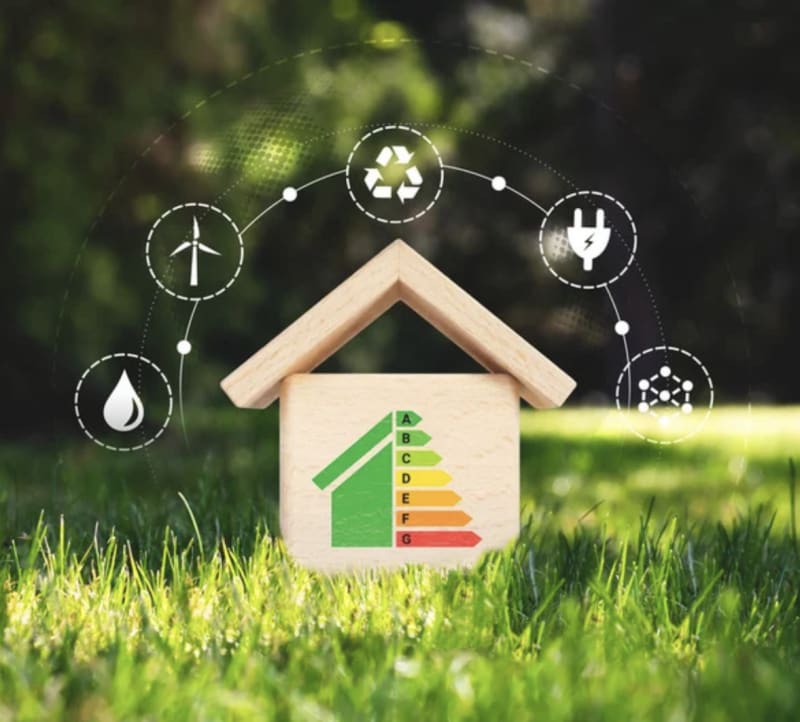
2. Replace Your Lightbulbs
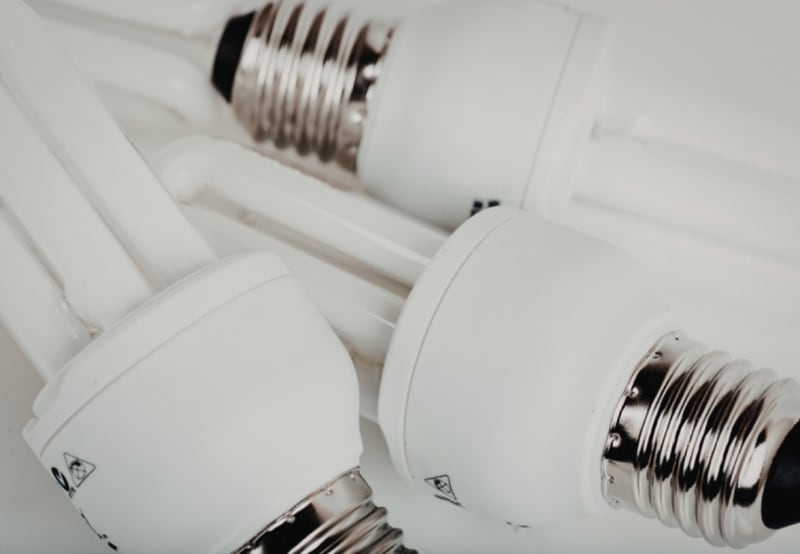
Switching to LED or compact fluorescent (CFL) bulbs is a simple way to improve your home’s energy efficiency. While these bulbs may cost a little more upfront than traditional incandescent bulbs, they last much longer and use far less electricity.
In fact, energy-efficient bulbs can last many times longer and use only a fraction of the energy of older bulbs. As your current lightbulbs burn out, consider replacing them with LED options. Over time, those small changes can make a noticeable difference in your energy use and monthly utility bills.
3. Use the Sun to Your Advantage
The sun can help heat or cool your home depending on how you manage the light coming through your windows. In the Northern Hemisphere, south-facing windows typically receive the most direct sunlight.
During the winter months, opening your curtains and blinds during the day can allow sunlight to warm your home naturally and reduce heating costs. In the summer, closing blinds or curtains during the hottest parts of the day can help block the heat and keep your home cooler.
Paying attention to how sunlight enters your home throughout the year can help you adjust your habits and make your home more comfortable without increasing your energy costs.
4. Seal Drafty Windows
In many homes, especially older ones, windows may allow outside air to sneak in through small gaps. These drafts can make it harder to keep your home warm in the winter and cool in the summer.
A simple and affordable solution is to add weatherstripping around your windows. This helps seal those gaps and prevents outside air from entering your home. Weatherstripping is inexpensive, easy to install, and can help improve your home’s overall energy efficiency.
2. Replace Your Lightbulbs
Switching to LED or compact fluorescent (CFL) bulbs is a simple way to improve your home’s energy efficiency. While these bulbs may cost a little more upfront than traditional incandescent bulbs, they last much longer and use far less electricity.
In fact, energy-efficient bulbs can last many times longer and use only a fraction of the energy of older bulbs. As your current lightbulbs burn out, consider replacing them with LED options. Over time, those small changes can make a noticeable difference in your energy use and monthly utility bills.
3. Use the Sun to Your Advantage
The sun can help heat or cool your home depending on how you manage the light coming through your windows. In the Northern Hemisphere, south-facing windows typically receive the most direct sunlight.
During the winter months, opening your curtains and blinds during the day can allow sunlight to warm your home naturally and reduce heating costs. In the summer, closing blinds or curtains during the hottest parts of the day can help block the heat and keep your home cooler.
Paying attention to how sunlight enters your home throughout the year can help you adjust your habits and make your home more comfortable without increasing your energy costs.
4. Seal Drafty Windows
In many homes, especially older ones, windows may allow outside air to sneak in through small gaps. These drafts can make it harder to keep your home warm in the winter and cool in the summer.
A simple and affordable solution is to add weatherstripping around your windows. This helps seal those gaps and prevents outside air from entering your home. Weatherstripping is inexpensive, easy to install, and can help improve your home’s overall energy efficiency.
5. Lower the Temperature on Your Water Heater
Hot showers are great, but your water heater works around the clock to keep water at the temperature you’ve set. If it’s set higher than necessary, it takes more energy to maintain that heat.
Take a look at your water heater’s settings and consider lowering the temperature slightly. Even reducing it by five to ten degrees can help lower your energy use without noticeably affecting your daily routine.
6. Collect Rainwater
In some areas, rainwater can be a helpful resource for outdoor use. By placing a rain barrel or small collection system in your yard, you can capture rainwater that runs off your roof.
While rainwater isn’t suitable for drinking or household use, it can be a great option for watering your lawn, plants, or garden during warmer months. It’s a simple way to conserve water and make use of a natural resource that might otherwise go to waste.

7. Install a Low-Flow Showerhead
If you enjoy long showers, switching to a low-flow showerhead can make a noticeable difference in your water usage. These showerheads are designed to use less water while still maintaining good pressure.
Many models offer different spray settings, so you can still enjoy a comfortable shower while reducing the amount of water used. It’s a simple upgrade that can help conserve water and lower your utility bill without sacrificing comfort.
8. Use a Programmable or Smart Thermostat
A programmable or smart thermostat can help you manage your home’s temperature more efficiently. These devices allow you to automatically adjust the temperature throughout the day based on your schedule.
For example, you can set the thermostat to lower the temperature while you’re away at work and have it return to a comfortable setting shortly before you arrive home. Many thermostats also allow you to program different settings for weekdays and weekends, helping you save energy when the house is empty.
Making small adjustments like these can help reduce energy use and keep your home comfortable at the same time.
9. Seal and Insulate Your Attic and Basement
Heat naturally rises, which means your attic plays a big role in your home’s energy efficiency. If the attic isn’t properly sealed or insulated, warm air can escape during the winter, forcing your heating system to work harder. In the summer, that same space can allow excess heat to enter the home.
Your basement can also affect your home’s temperature. If it isn’t insulated or sealed properly, cold air can enter during the winter and cool air can escape during the summer. Checking and improving insulation in both areas can make your home more comfortable and help lower energy costs.
10. Use a Manual Push Mower
If you maintain a lawn, consider using a manual push mower instead of a gas-powered one. These traditional mowers run entirely on human power, meaning they don’t require gasoline or electricity.
While they do require a little more effort, they’re environmentally friendly and can even provide a bit of exercise while you mow the yard.
Final Thoughts
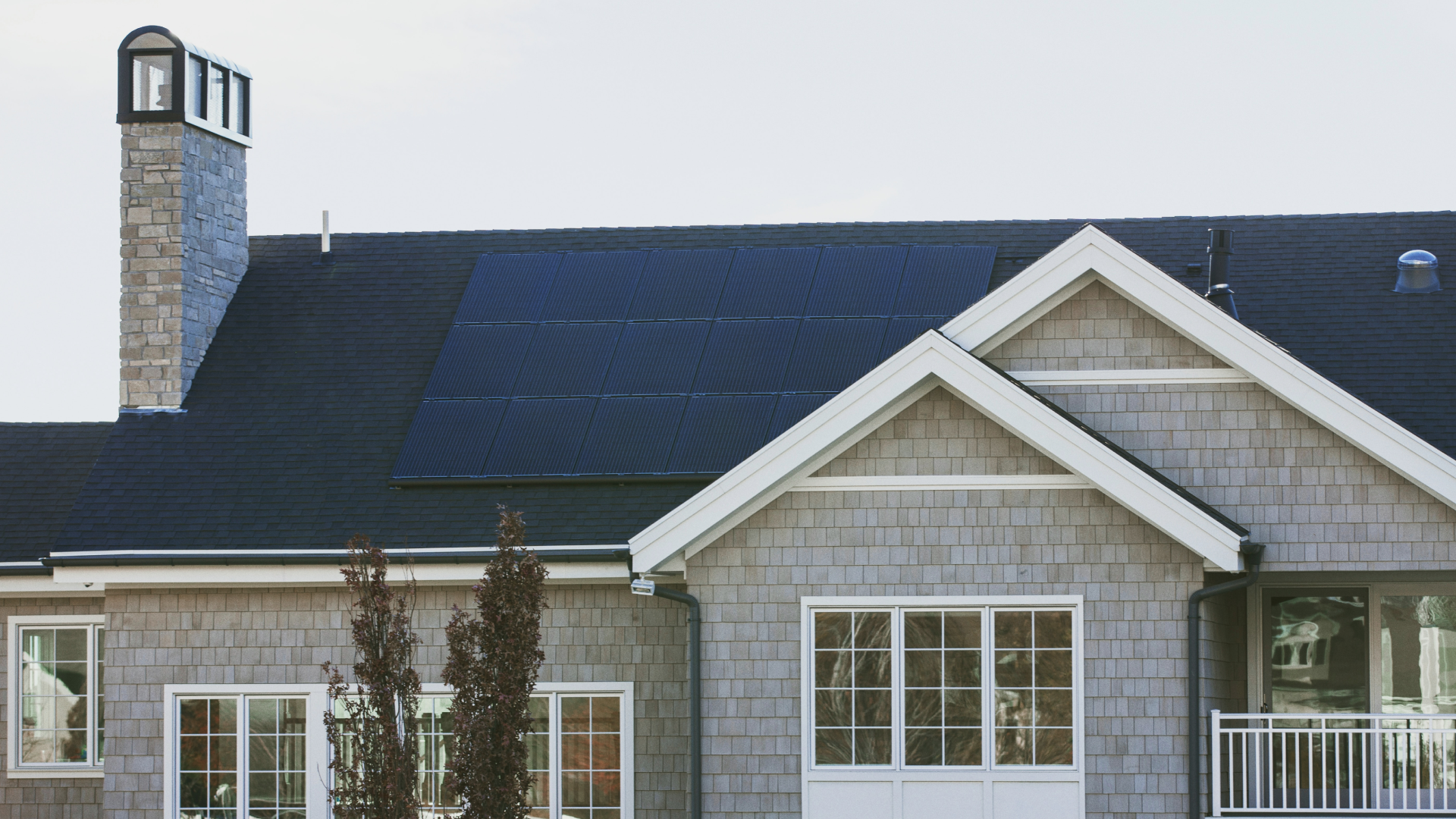
Making your home more energy-efficient can be as simple as small everyday changes or as involved as upgrading appliances or installing solar panels. The key is to decide what improvements make sense for your home and budget. By taking small steps over time, you can create a more energy-efficient home that helps reduce costs while keeping your living space comfortable.
9. Seal and Insulate Your Attic and Basement
Heat naturally rises, which means your attic plays a big role in your home’s energy efficiency. If the attic isn’t properly sealed or insulated, warm air can escape during the winter, forcing your heating system to work harder. In the summer, that same space can allow excess heat to enter the home.
Your basement can also affect your home’s temperature. If it isn’t insulated or sealed properly, cold air can enter during the winter and cool air can escape during the summer. Checking and improving insulation in both areas can make your home more comfortable and help lower energy costs.
10. Use a Manual Push Mower
If you maintain a lawn, consider using a manual push mower instead of a gas-powered one. These traditional mowers run entirely on human power, meaning they don’t require gasoline or electricity.
While they do require a little more effort, they’re environmentally friendly and can even provide a bit of exercise while you mow the yard.
Final Thoughts
Making your home more energy-efficient can be as simple as small everyday changes or as involved as upgrading appliances or installing solar panels. The key is to decide what improvements make sense for your home and budget. By taking small steps over time, you can create a more energy-efficient home that helps reduce costs while keeping your living space comfortable.
What Your Agent Should Do For You?